
Embedded Linux vs RTOS: Choosing the Right Platform for Your Device
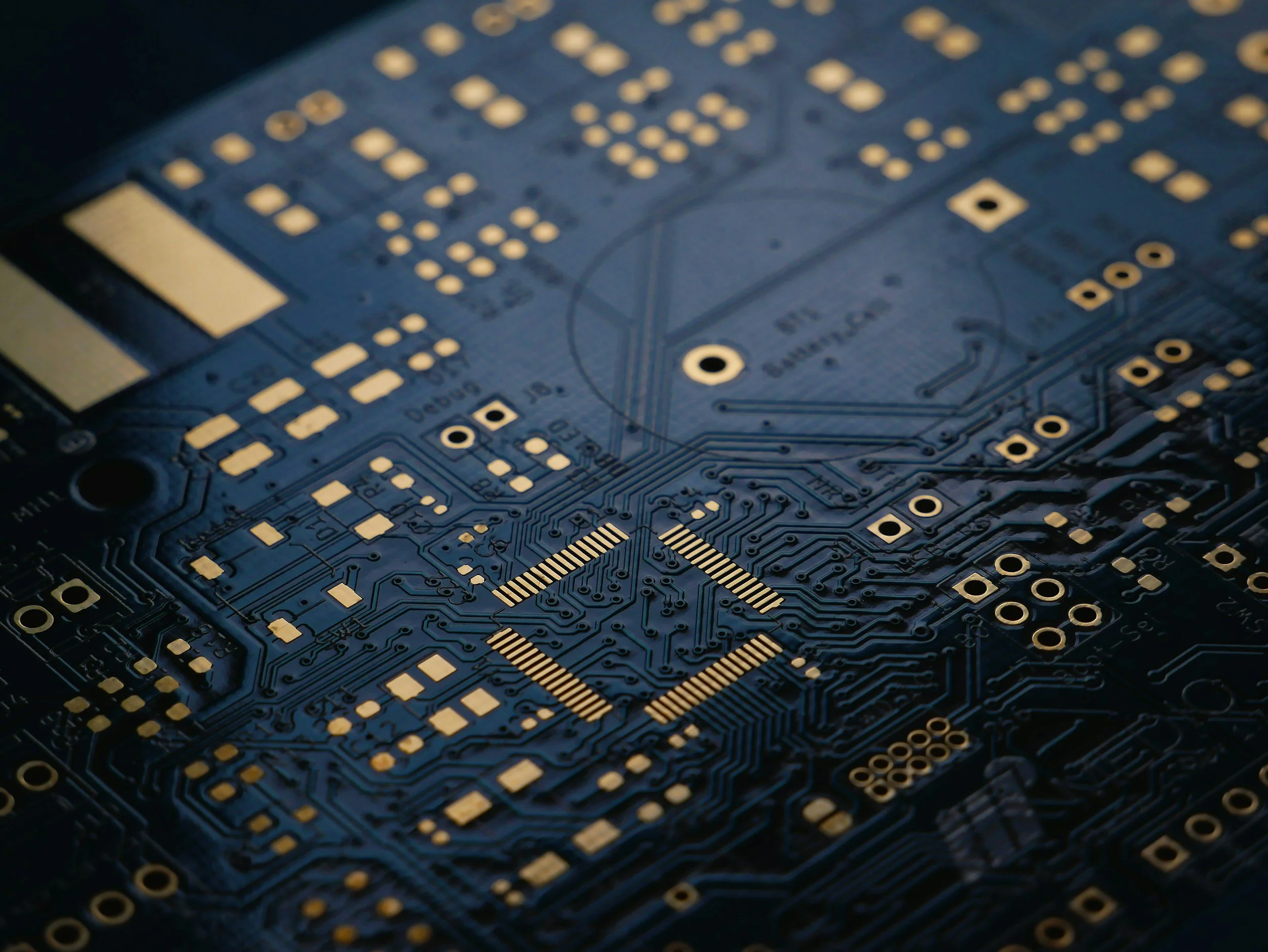
Embedded systems power everything from industrial equipment and medical devices to smart home technologies. When designing a connected device, one of the most important architectural decisions engineers face is selecting the right operating system. The two most common choices are Embedded Linux and Real-Time Operating Systems (RTOS). Each platform offers unique advantages depending on the device’s requirements, performance needs, and development environment.
How Edge Computing Improves IoT Device Performance and Efficiency
Integrating Edge Computing, AI, and Machine Learning for Smarter, Faster Devices
Smarter Devices, Faster Decisions
As the Internet of Things (IoT) continues to expand, edge computing has become essential for real-time performance and reliability. By processing data locally instead of relying solely on the cloud, edge-enabled devices achieve lower latency, higher security, and improved energy efficiency—critical advantages for modern connected products. When enhanced with embedded AI and machine learning, these devices don’t just react—they learn, adapt, and predict, driving continuous improvement in functionality and efficiency.
Why Serverless Architecture Is Ideal for IoT Platforms—Especially for Early-Stage Product Launches
Launching an IoT platform comes with unique technical and financial pressures. Early-stage teams must move fast, control costs, and remain flexible as product requirements evolve. This is why serverless architecture has become an ideal foundation for modern IoT platforms.
Traditional server-based infrastructures require upfront capacity planning, ongoing maintenance, and dedicated operations teams. For early-stage products, this often leads to wasted resources or performance bottlenecks during unexpected growth. Serverless architecture removes these barriers by allowing platforms to scale automatically based on demand.
Best Practices for Secure IoT Firmware Updates
Over-the-air (OTA) firmware updates are one of the most powerful tools in modern IoT development—and one of the most dangerous if implemented poorly. Without proper security, firmware updates can expose systems to cyberattacks, device takeovers, or complete network failures. At Cedarware, secure IoT firmware update architecture is a top engineering priority.
Why Secure OTA Updates Matter
Firmware updates allow manufacturers to:
● Patch security vulnerabilities
● Add new features
● Improve performance
● Fix bugs remotely
● Extend product life
But unsecured updates can allow hackers to inject malicious code directly into your devices.