

Edge Computing

Embedded Linux vs RTOS: Choosing the Right Platform for Your Device

Embedded Linux vs RTOS: Choosing the Right Platform for Your Device

Embedded Linux vs RTOS: Choosing the Right Platform for Your Device
Embedded systems power everything from industrial equipment and medical devices to smart home technologies. When designing a connected device, one of the most important architectural decisions engineers face is selecting the right operating system. The two most common choices are Embedded Linux and Real-Time Operating Systems (RTOS). Each platform offers unique advantages depending on the device’s requirements, performance needs, and development environment.
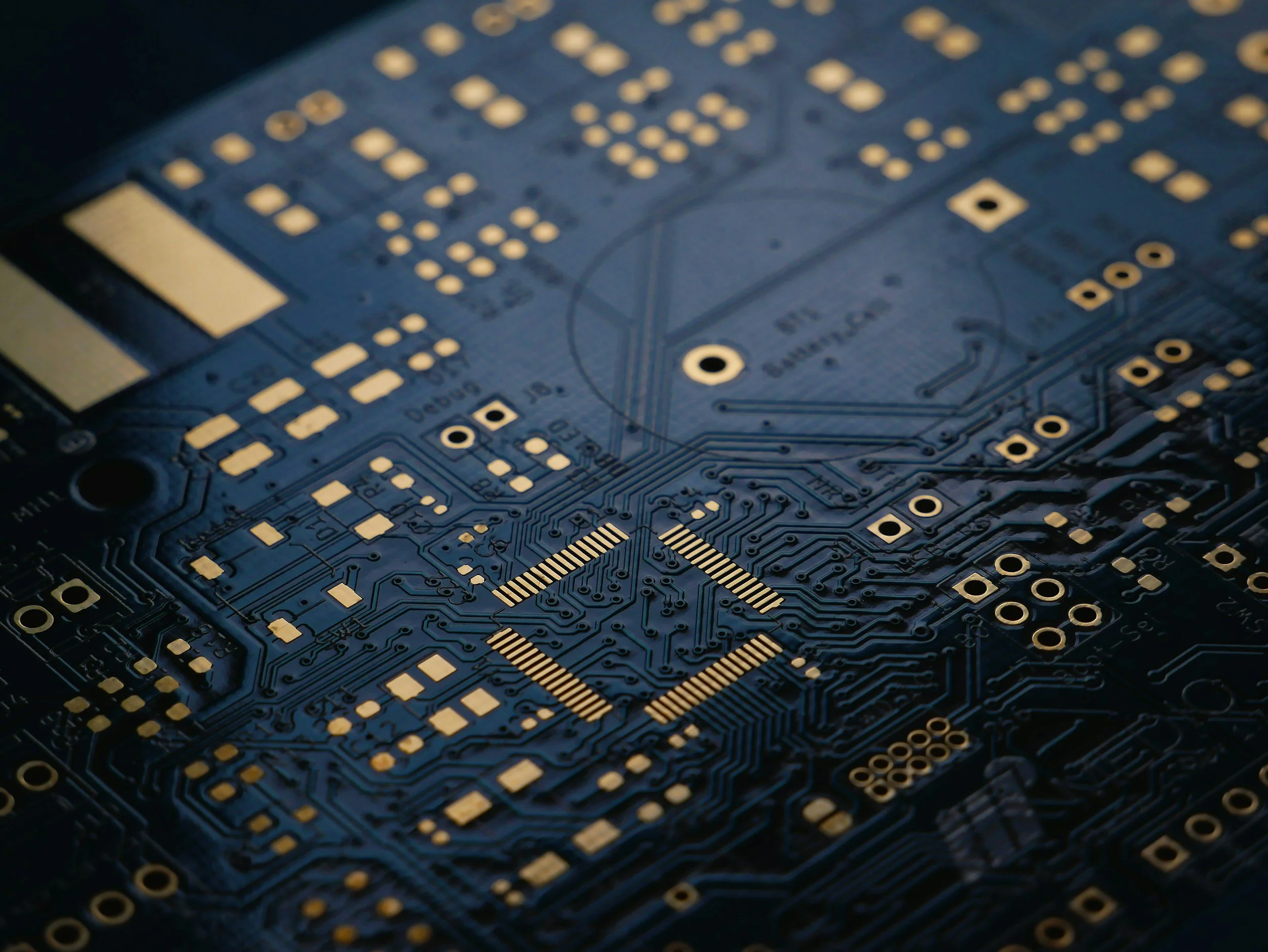
How Edge Computing Improves IoT Device Performance and Efficiency

How Edge Computing Improves IoT Device Performance and Efficiency

How Edge Computing Improves IoT Device Performance and Efficiency
Integrating Edge Computing, AI, and Machine Learning for Smarter, Faster Devices
Smarter Devices, Faster Decisions

As the Internet of Things (IoT) continues to expand, edge computing has become essential for real-time performance and reliability. By processing data locally instead of relying solely on the cloud, edge-enabled devices achieve lower latency, higher security, and improved energy efficiency—critical advantages for modern connected products. When enhanced with embedded AI and machine learning, these devices don’t just react—they learn, adapt, and predict, driving continuous improvement in functionality and efficiency.