Rapid Prototyping & Prototype Development for IoT Devices: Accelerating Time to Market

Rapid Prototyping & Prototype Development for IoT Devices: Accelerating Time to Market

In the world of IoT, speed isn’t just an advantage, it’s survival. Companies that can quickly turn ideas into working prototypes are far more likely to capture market share and adapt to evolving customer needs. Rapid prototyping plays a crucial role in shortening development cycles while improving product quality.

Why Rapid Prototyping Matters

Rapid prototyping allows teams to validate concepts early, reducing costly redesigns later. Instead of waiting months for a finished product, developers can test functionality, user experience, and performance in weeks or even days.

Designing Secure Firmware for IoT Devices

Designing Secure Firmware for IoT Devices

The rapid growth of the Internet of Things has introduced millions of connected devices into homes, businesses, and critical infrastructure. While these devices offer convenience and innovation, they also create new cybersecurity challenges. cedarRoot provides secure over the air updates. is essential to protecting IoT systems from attacks, unauthorized access, and data breaches.

Firmware Deployment Automation for Connected Devices

Firmware Deployment Automation for Connected Devices

Connected devices are everywhere—from smart appliances and industrial IoT systems to wearable technology and edge computing platforms. As device fleets grow, managing firmware updates manually becomes inefficient and risky. This is why firmware deployment automation has become a critical component of modern IoT development.

Embedded Linux vs RTOS: Choosing the Right Platform for Your Device

Embedded Linux vs RTOS: Choosing the Right Platform for Your Device

Embedded Linux vs RTOS: Choosing the Right Platform for Your Device
Embedded systems power everything from industrial equipment and medical devices to smart home technologies. When designing a connected device, one of the most important architectural decisions engineers face is selecting the right operating system. The two most common choices are Embedded Linux and Real-Time Operating Systems (RTOS). Each platform offers unique advantages depending on the device’s requirements, performance needs, and development environment.

How Edge Computing Improves IoT Device Performance and Efficiency

How Edge Computing Improves IoT Device Performance and Efficiency

How Edge Computing Improves IoT Device Performance and Efficiency
Integrating Edge Computing, AI, and Machine Learning for Smarter, Faster Devices
Smarter Devices, Faster Decisions

As the Internet of Things (IoT) continues to expand, edge computing has become essential for real-time performance and reliability. By processing data locally instead of relying solely on the cloud, edge-enabled devices achieve lower latency, higher security, and improved energy efficiency—critical advantages for modern connected products. When enhanced with embedded AI and machine learning, these devices don’t just react—they learn, adapt, and predict, driving continuous improvement in functionality and efficiency.

The Role of cedarCore and cedarRoot in Device Lifecycle Management

The Role of cedarCore and cedarRoot in Device Lifecycle Management

The Role of cedarCore and cedarRoot in Device Lifecycle Management
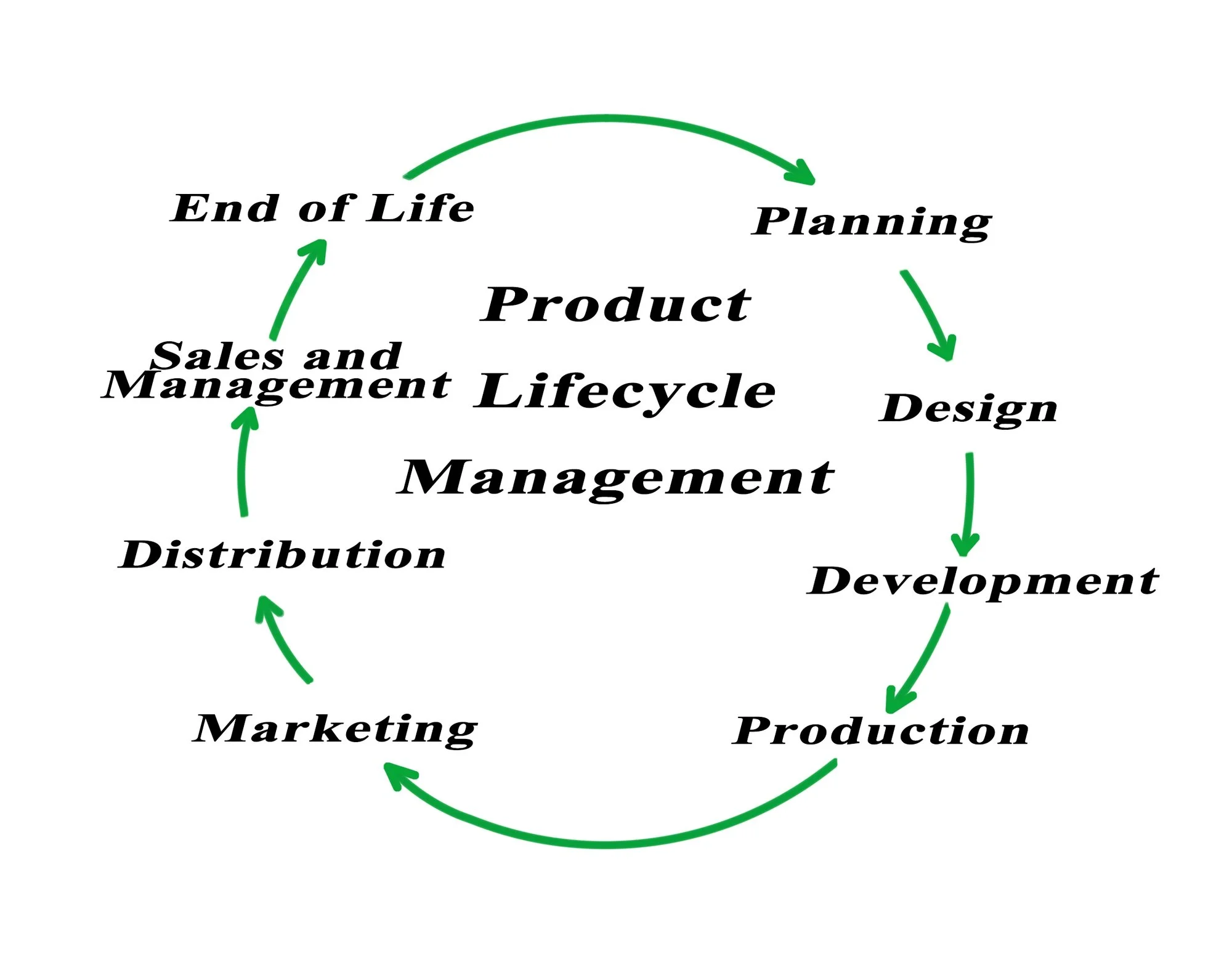
Managing connected devices from concept to retirement is one of the biggest challenges facing IoT product teams. As products move from prototype to mass deployment, maintaining visibility, security, and control across the entire device lifecycle becomes critical. This is where cedarCore and cedarRoot play a vital role in modern device lifecycle management.

cedarRoot: The Future of Remote Firmware Update Technology

cedarRoot: The Future of Remote Firmware Update Technology

cedarRoot: The Future of Remote Firmware Update Technology 
Remote firmware updates have become a defining requirement for modern connected devices. As security threats evolve and customer expectations increase, the ability to update devices safely and efficiently is no longer optional—it is mission-critical. cedarRoot represents the next generation of remote firmware update technology designed for scalable IoT platforms.

Why Serverless Architecture Is Ideal for IoT Platforms—Especially for Early-Stage Product Launches

Why Serverless Architecture Is Ideal for IoT Platforms—Especially for Early-Stage Product Launches

Why Serverless Architecture Is Ideal for IoT Platforms—Especially for Early-Stage Product Launches

Launching an IoT platform comes with unique technical and financial pressures. Early-stage teams must move fast, control costs, and remain flexible as product requirements evolve. This is why serverless architecture has become an ideal foundation for modern IoT platforms.

Traditional server-based infrastructures require upfront capacity planning, ongoing maintenance, and dedicated operations teams. For early-stage products, this often leads to wasted resources or performance bottlenecks during unexpected growth. Serverless architecture removes these barriers by allowing platforms to scale automatically based on demand.

Best Practices for Secure IoT Firmware Updates

Best Practices for Secure IoT Firmware Updates

Best Practices for Secure IoT Firmware Updates

Over-the-air (OTA) firmware updates are one of the most powerful tools in modern IoT development—and one of the most dangerous if implemented poorly. Without proper security, firmware updates can expose systems to cyberattacks, device takeovers, or complete network failures. At Cedarware, secure IoT firmware update architecture is a top engineering priority.

Why Secure OTA Updates Matter

Firmware updates allow manufacturers to:

●        Patch security vulnerabilities

●        Add new features

●        Improve performance

●        Fix bugs remotely

●        Extend product life

But unsecured updates can allow hackers to inject malicious code directly into your devices.

Product Design for Connected Devices – Engineering Smart Products from the Inside Out

Product Design for Connected Devices – Engineering Smart Products from the Inside Out

Product Design for Connected Devices – Engineering Smart Products from the Inside Out

Product design today goes far beyond appearance and form factor. In a connected world, functionality, embedded intelligence, connectivity, and security define successful products just as much as industrial design. At Cedarware, product design begins at the firmware level—where performance, reliability, and connectivity are engineered into every device.

From consumer electronics and medical devices to specialized commercial products, modern product design demands seamless integration between hardware, software, and wireless communication. Without this synergy, even the most attractive product can fail in the real world.

Wireless Connectivity for Embedded Systems – What Engineers Need to Know

Wireless Connectivity for Embedded Systems – What Engineers Need to Know

Wireless Connectivity for Embedded Systems – What Engineers Need to Know

Wireless connectivity is at the heart of modern embedded systems. From medical devices and industrial sensors to smart consumer products and IoT platforms, embedded engineers are expected to integrate fast, secure, and reliable wireless communication into their designs. At Cedarware, embedded systems are engineered with performance, security, and scalability in mind—especially when it comes to wireless connectivity.

Medical Product Design and Prototyping: Turning Concepts into Market-Ready Devices

Medical Product Design and Prototyping: Turning Concepts into Market-Ready Devices

Medical Product Design and Prototyping: Turning Concepts into Market-Ready Devices

From Ideation to Innovation

Medical technology demands precise design, safety, and compliance. At Cedarware, our medical product design and prototyping services transform innovative healthcare concepts into functional, tested, and market-ready devices. With extensive experience in bringing medical devices to reality, our engineering team bridges the gap between ideation, design, and production…


The Advantages of Turnkey Product Development

The Advantages of Turnkey Product Development

The Advantages of Turnkey Product Development for Tech Companies
From Concept to Production: Cedarware Delivers Full-Service Design, Engineering, and Manufacturing Solutions.

In today’s fast-paced tech landscape, time-to-market can make or break a product. Turnkey product development offers an integrated solution where design, engineering, prototyping, and manufacturing happen under one roof. For companies, partnering with a turnkey product development firm like Cedarware eliminates the complexity of coordinating multiple vendors, allowing teams to focus on innovation rather than logistics.