
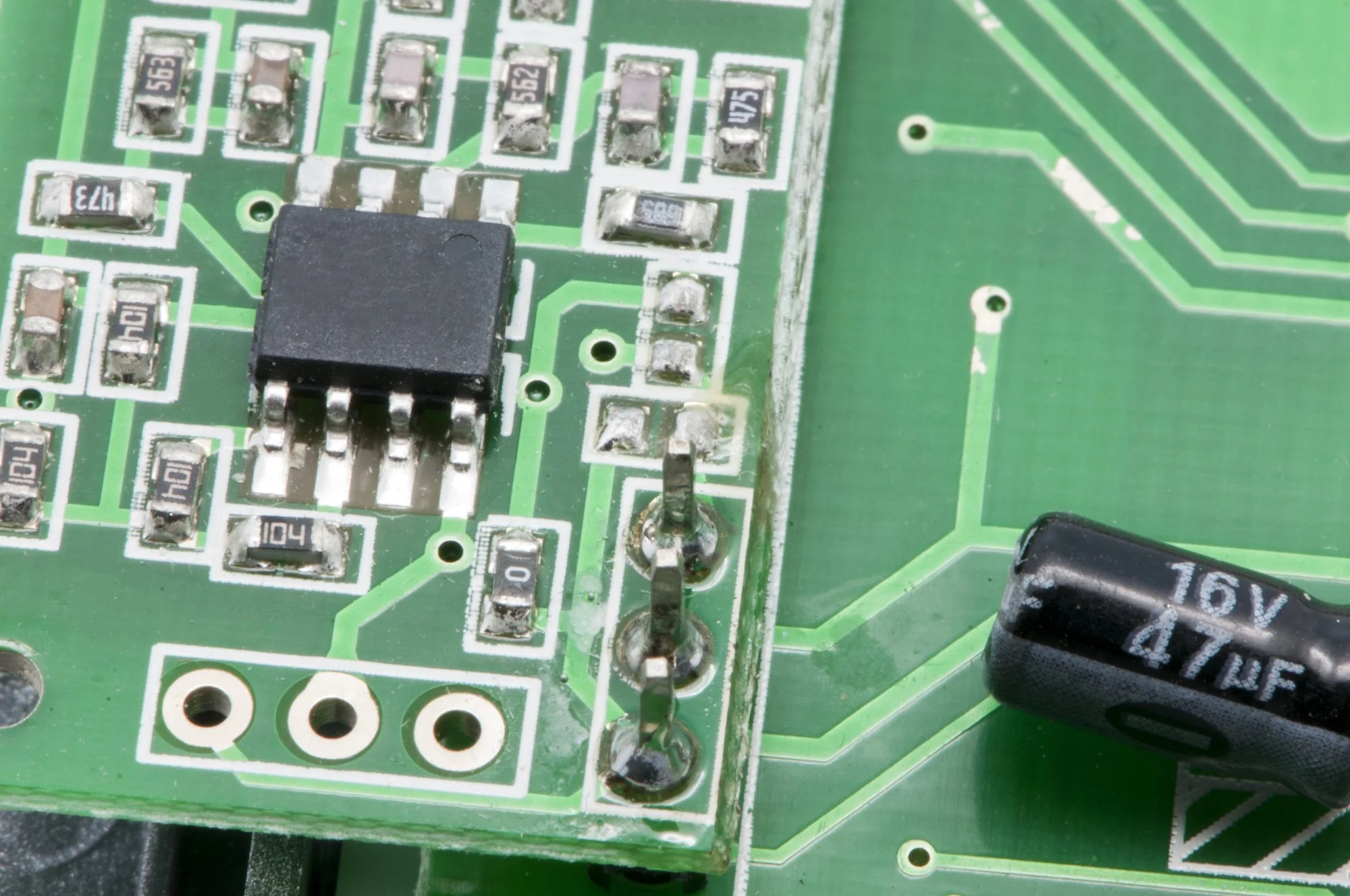
Microcontroller

Choosing the Right Microcontroller for Embedded Device Functions

Choosing the Right Microcontroller for Embedded Device Functions

The microcontroller is one of the most important components in an embedded device. It executes the firmware, processes sensor information, manages communications, controls peripherals, and coordinates the product’s primary functions.

Choosing the wrong microcontroller can result in performance limitations, excessive power consumption, higher manufacturing costs, or a major redesign. Selecting the right microcontroller requires evaluating the complete product rather than choosing a component based only on price or processing speed.
Choosing the Right Microcontroller for Embedded Device Design

Choosing the Right Microcontroller for Embedded Device Design

Selecting the right microcontroller (MCU) is one of the most important decisions in embedded device design. It directly impacts performance, power consumption, cost, and scalability. Making the wrong choice can lead to redesigns, delays, and unnecessary expenses.

What Does a Microcontroller Actually Do?

A microcontroller is the “brain” of your embedded system. It controls inputs and outputs, processes data, and manages communication between components. For IoT devices, they also play a critical role in connectivity and power efficiency.