
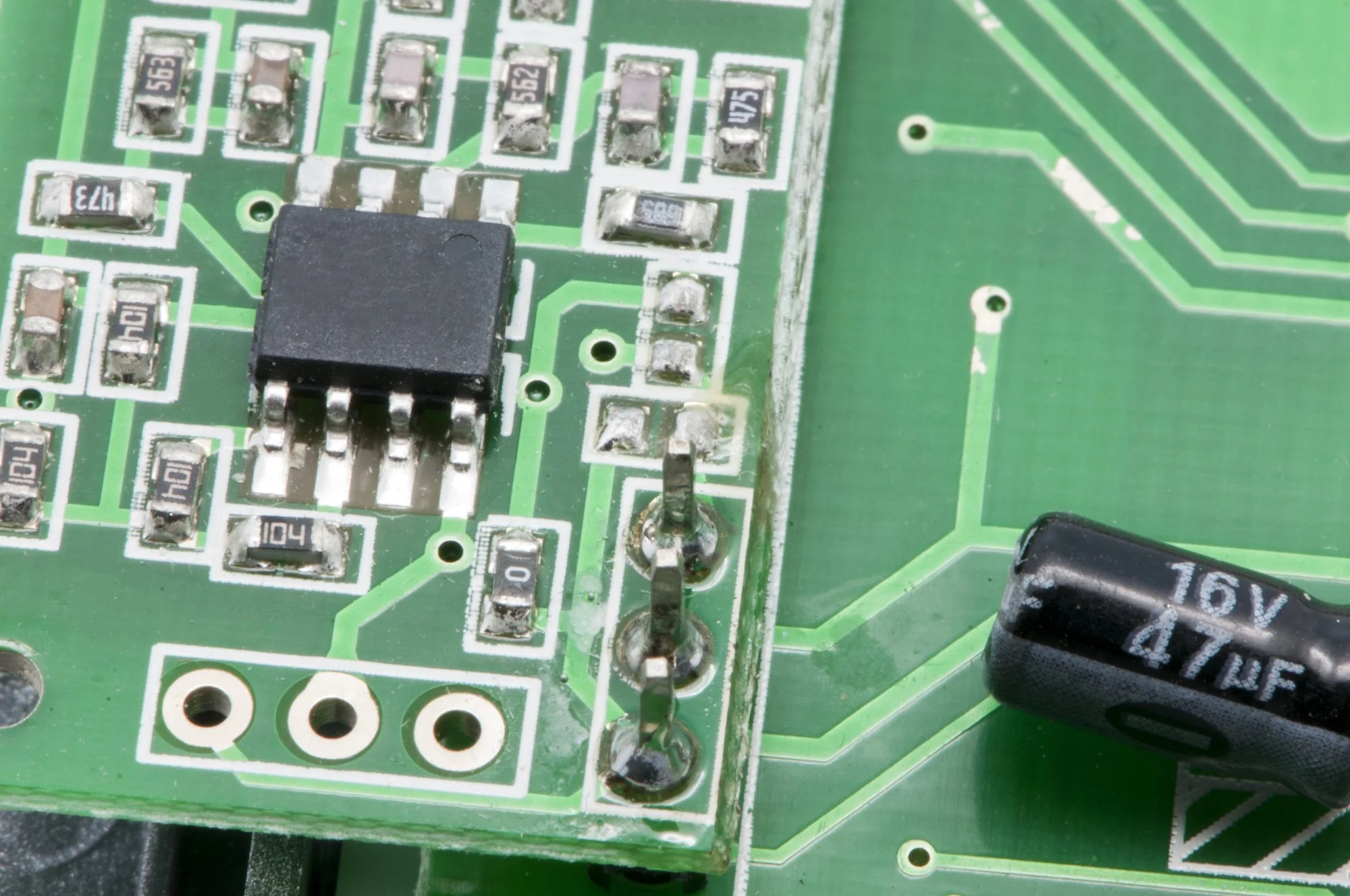
Choosing the Right Microcontroller for Embedded Device Functions
The microcontroller is one of the most important components in an embedded device. It executes the firmware, processes sensor information, manages communications, controls peripherals, and coordinates the product’s primary functions.
Choosing the wrong microcontroller can result in performance limitations, excessive power consumption, higher manufacturing costs, or a major redesign. Selecting the right microcontroller requires evaluating the complete product rather than choosing a component based only on price or processing speed.
Define the Device Requirements
The selection process should begin with a clear definition of what the device must do. Engineers need to identify the sensors, displays, motors, communication modules, memory requirements, power sources, and interfaces the product will use.
A simple monitoring device may require only modest processing capabilities. A medical, industrial, or multimedia product may require faster processing, additional memory, advanced security, or real-time operating system support.
Understanding both current and anticipated features can prevent the product from outgrowing its microcontroller too quickly.
Evaluate Processing Power and Memory
Clock speed is important, but it does not tell the entire story. Engineers should consider the microcontroller’s architecture, available flash memory, RAM, hardware accelerators, timers, and ability to perform required calculations.
Selecting an MCU with insufficient resources can create performance problems. However, selecting a component with far more capability than necessary can increase cost and power consumption.
A reasonable amount of additional capacity may be beneficial for firmware updates and future product features.
Consider Power Consumption
Power requirements are particularly important for battery-operated and portable devices. A microcontroller’s sleep modes, wake-up time, operating voltage, and peripheral efficiency can significantly affect battery life.
The communication technology also matters. Wi-Fi, Bluetooth Low Energy, cellular, and long-range wireless systems have different energy requirements. The MCU must efficiently support the chosen connectivity method without compromising performance.
Review Interfaces and Connectivity
Microcontrollers provide different combinations of interfaces, including I2C, SPI, UART, USB, Ethernet, CAN, analog-to-digital converters, and pulse-width modulation.
The selected MCU should have enough interfaces and pins to support every required component. Engineers should also consider whether integrated wireless connectivity would simplify the design or whether a separate communication module offers greater flexibility.
Plan for Security and Firmware Updates
Modern connected devices need security features that protect firmware, credentials, communications, and user data. Secure boot, hardware encryption, key storage, memory protection, and device authentication should be evaluated during component selection.
The microcontroller must also support a dependable firmware-update strategy. Sufficient memory and boot-loader capabilities are essential for secure over-the-air updates, rollback protection, and long-term product maintenance.
Examine Availability and Long-Term Support
A technically ideal microcontroller may still be a poor choice if it has uncertain availability, limited manufacturer support, or a short-expected production life.
Component availability, development tools, documentation, software libraries, pricing, lead times, and supply-chain alternatives should be reviewed before the design is finalized.
Cedarware provides embedded device engineering, firmware development, hardware design, cloud integration, security, prototyping, and manufacturing support.